Foundation Repair Timing Guide
Spring offers moderate temperatures and soil moisture levels, making it suitable for foundation work. However, heavy rains can sometimes delay projects.
Summer provides longer daylight hours and stable weather, ideal for foundation repairs. High temperatures and dry soil can pose challenges, but proper planning can mitigate these issues.
Fall is a popular time due to cooler temperatures and manageable moisture levels. It allows for thorough work before winter conditions set in.
Winter is generally less favorable due to freezing temperatures and frozen ground, which can hinder excavation and curing processes. However, in milder climates, repairs can sometimes be scheduled with proper precautions.
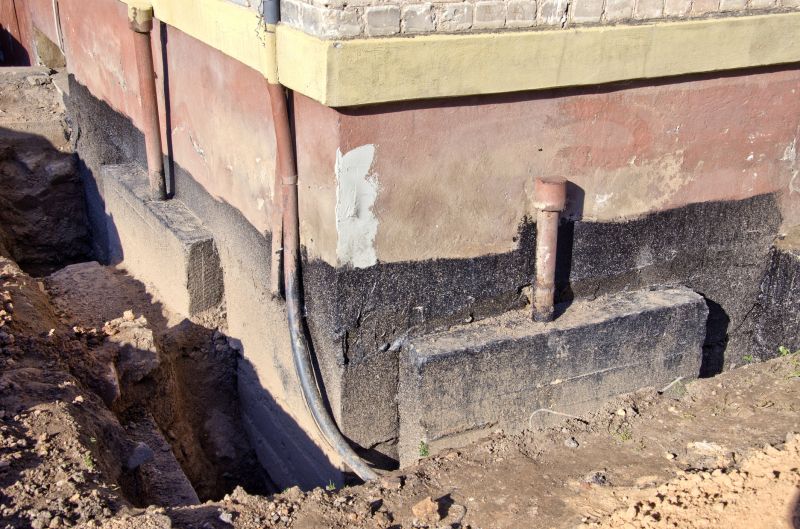
Spring's moderate weather helps ensure proper curing and soil stability during repairs.
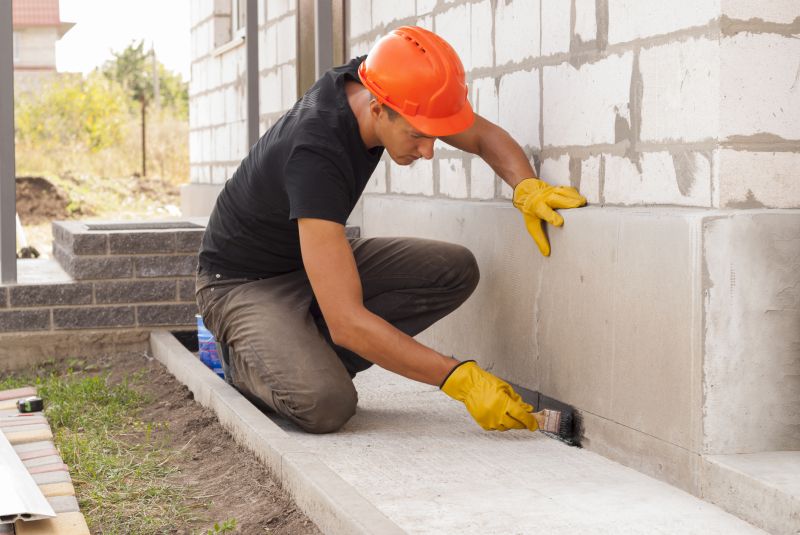
Long daylight hours and warm weather facilitate efficient foundation repairs.
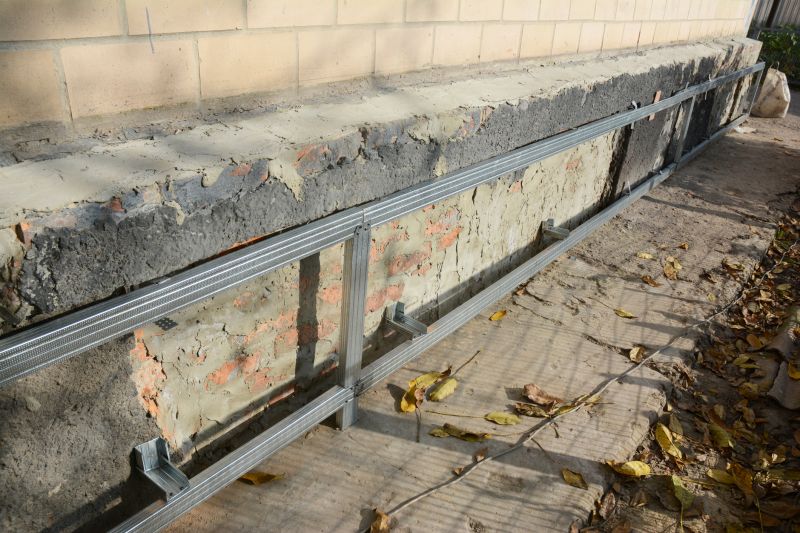
Fall's cooler temperatures and soil conditions support effective foundation stabilization.
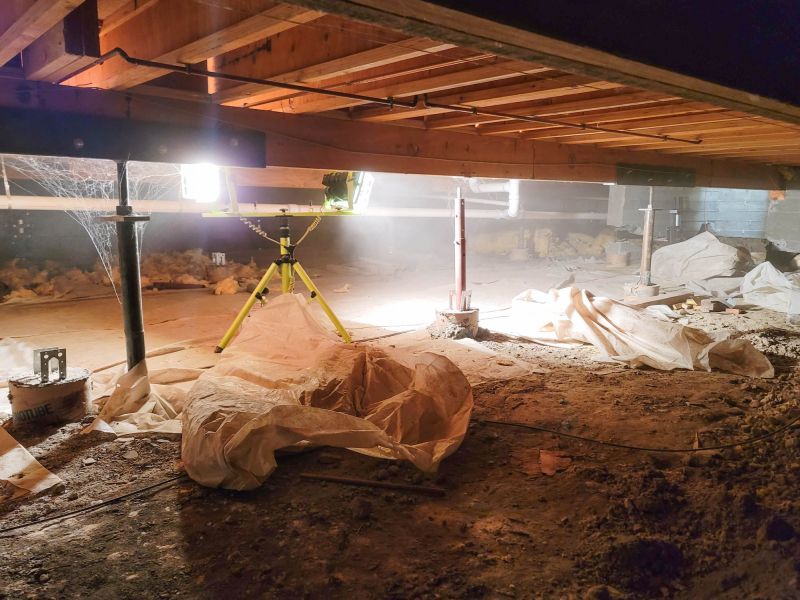
Ways to make Foundation Repairs work in tight or awkward layouts.
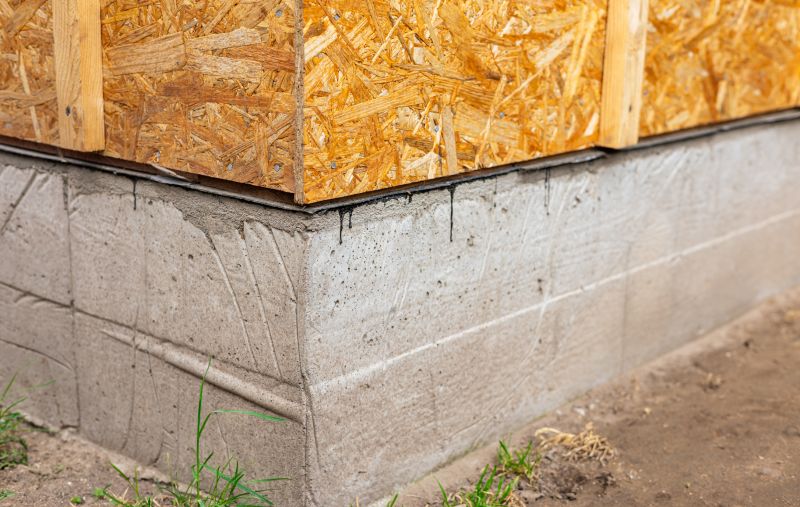
Popular materials for Foundation Repairs and why they hold up over time.
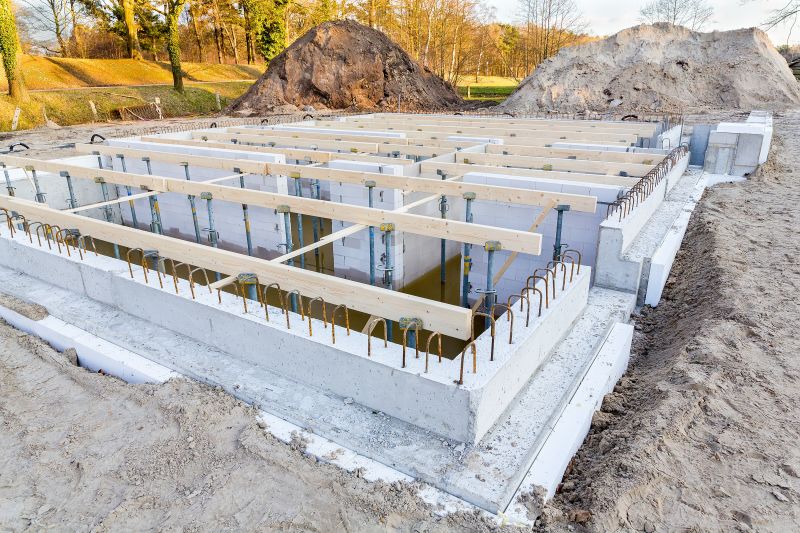
Simple add-ons that improve Foundation Repairs without blowing the budget.
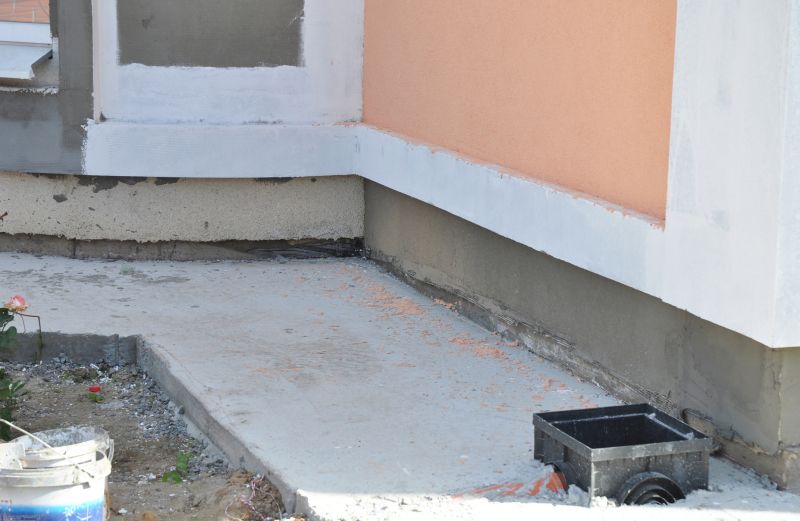
High-end options that actually feel worth it for Foundation Repairs.
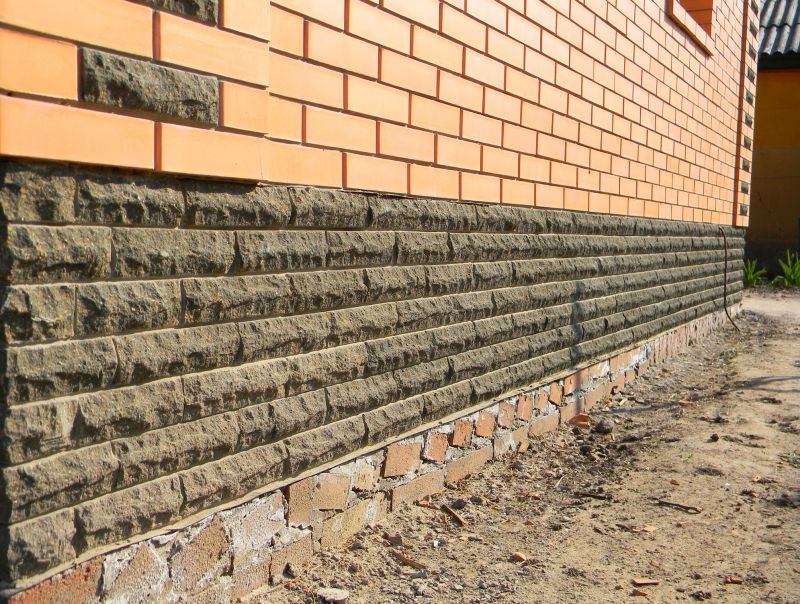
Finishes and colors that play nicely with Foundation Repairs.
Foundation repairs involve addressing issues such as settling, cracking, and shifting that compromise the structural integrity of a building. These repairs often include underpinning, wall stabilization, and soil stabilization techniques. Proper timing ensures that repairs are durable and minimize future issues.
| Season | Ideal Conditions for Foundation Repairs |
|---|---|
| Spring | Moderate soil moisture, manageable weather, early in the warm season |
| Summer | Longer days, stable weather, warm temperatures |
| Fall | Cooler temperatures, soil stability before winter |
| Winter | Generally less suitable, except in milder climates |
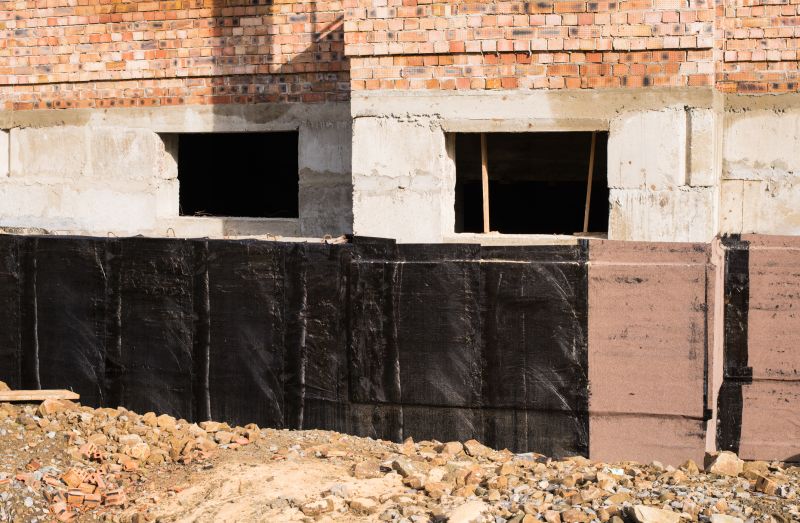
Visual evidence of foundation stabilization work.
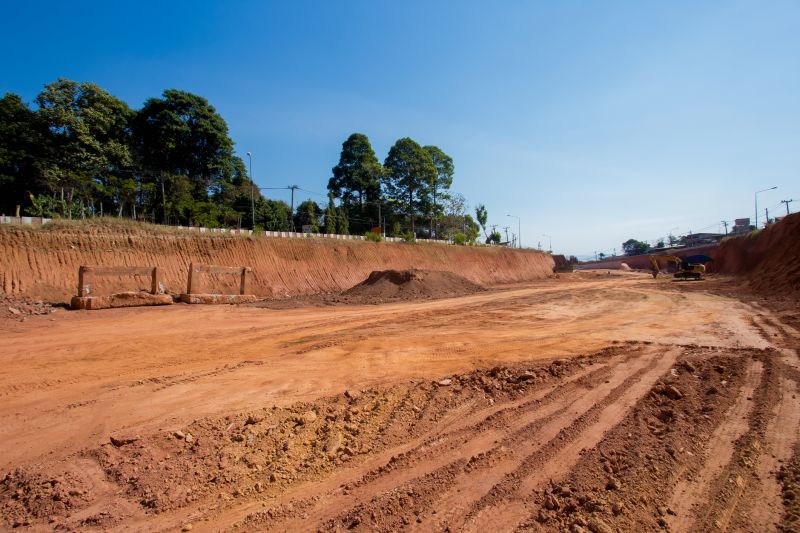
Methods used to improve soil conditions before repairs.
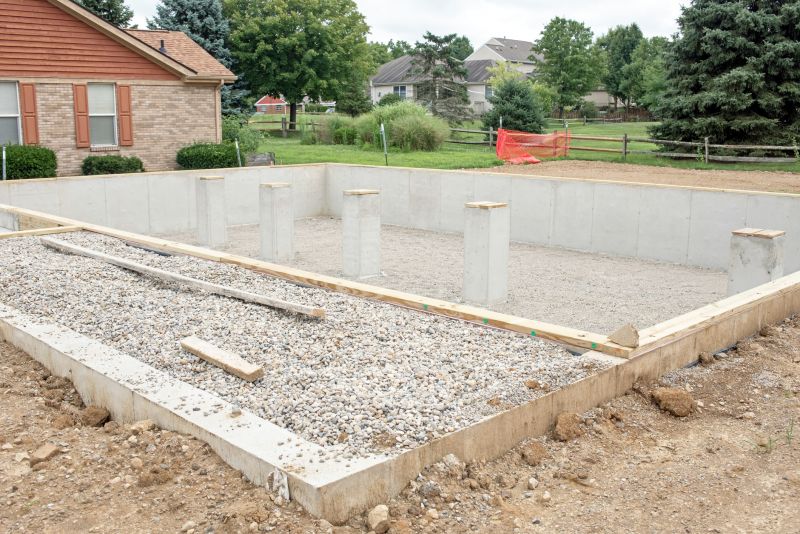
Support systems installed beneath the foundation.
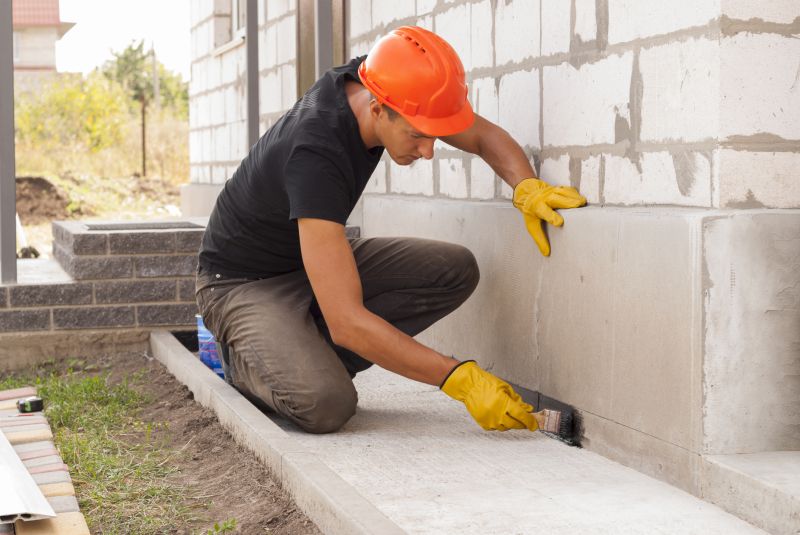
Sealing and stabilizing foundation cracks.
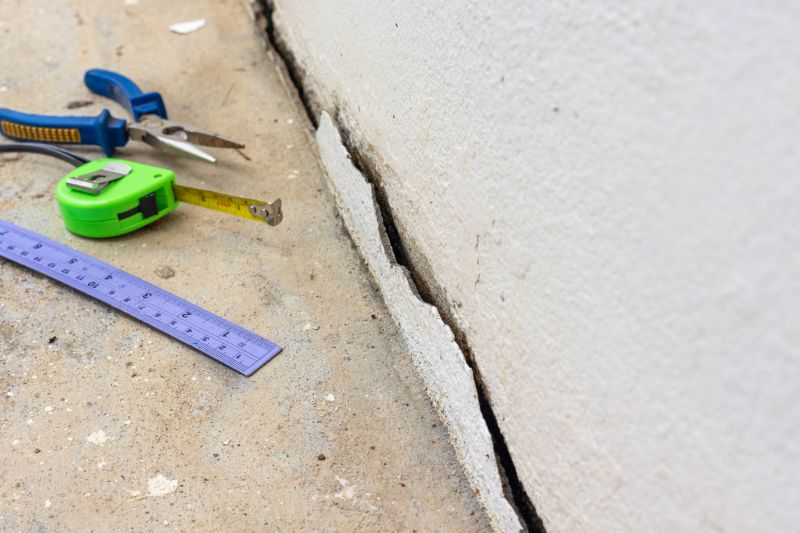
Little measurements that prevent headaches on Foundation Repairs day.
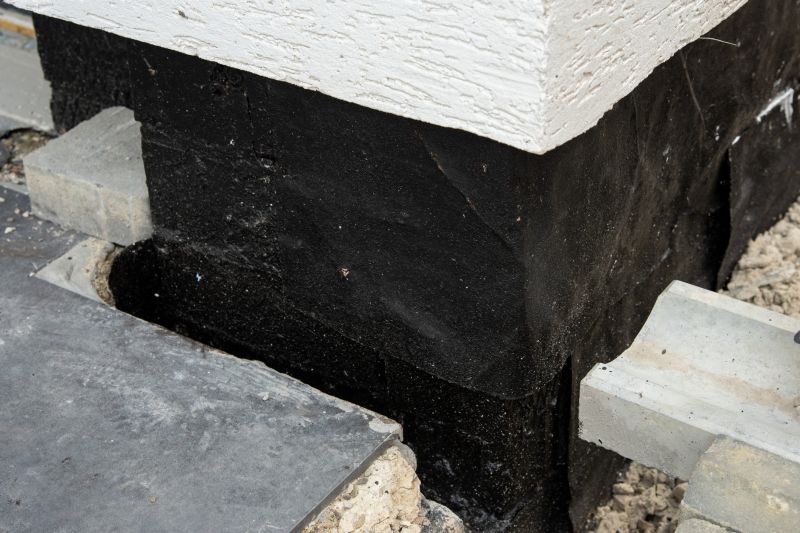
A 60-second routine that keeps Foundation Repairs looking new.
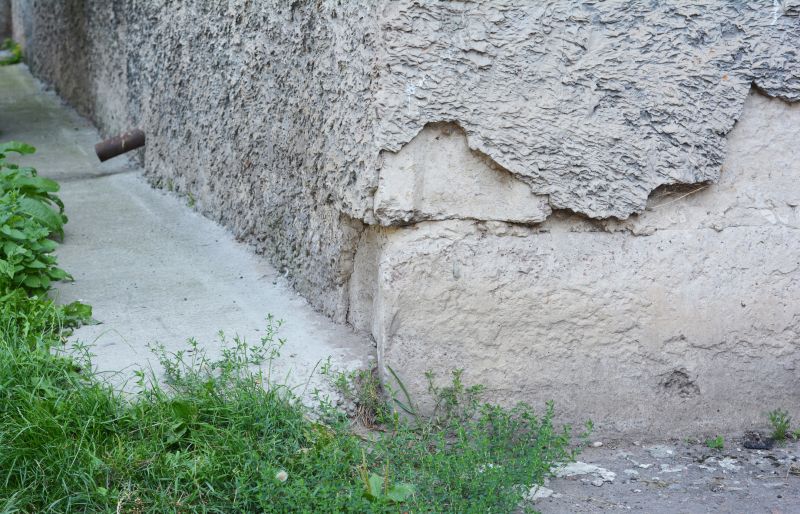
A frequent mistake in Foundation Repairs and how to dodge it.
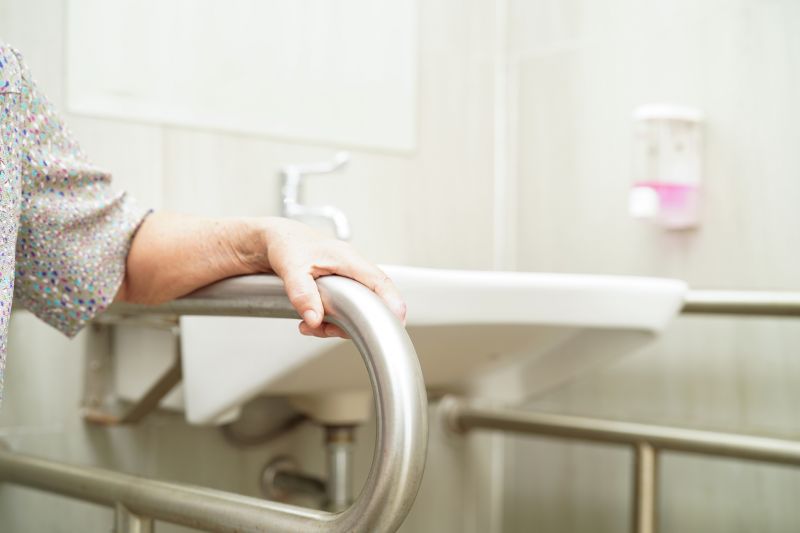
Small tweaks to make Foundation Repairs safer and easier to use.
Choosing the optimal time for foundation repairs can help ensure the longevity and effectiveness of the work. Factors such as soil moisture, temperature, and weather stability are critical considerations. Consulting with foundation specialists can provide tailored recommendations based on local conditions.
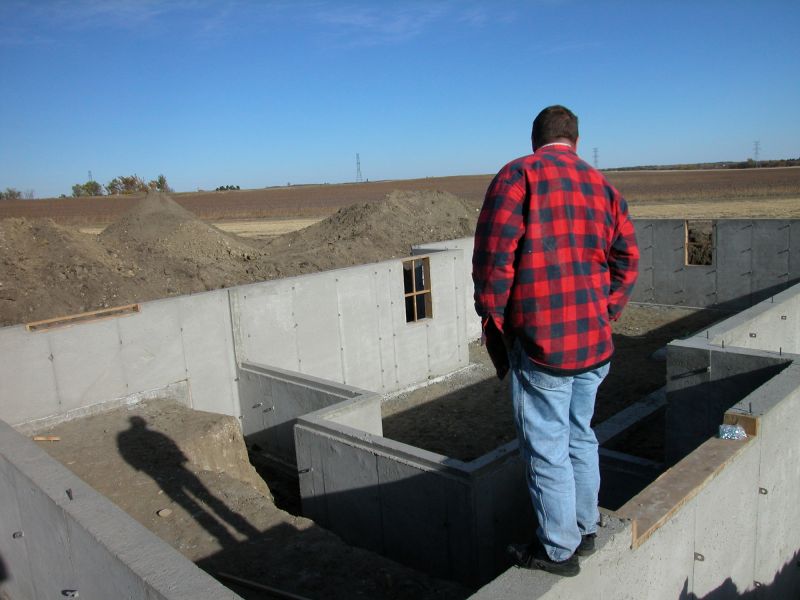
Initial assessment to determine repair needs.

Tools and machinery used in repairs.
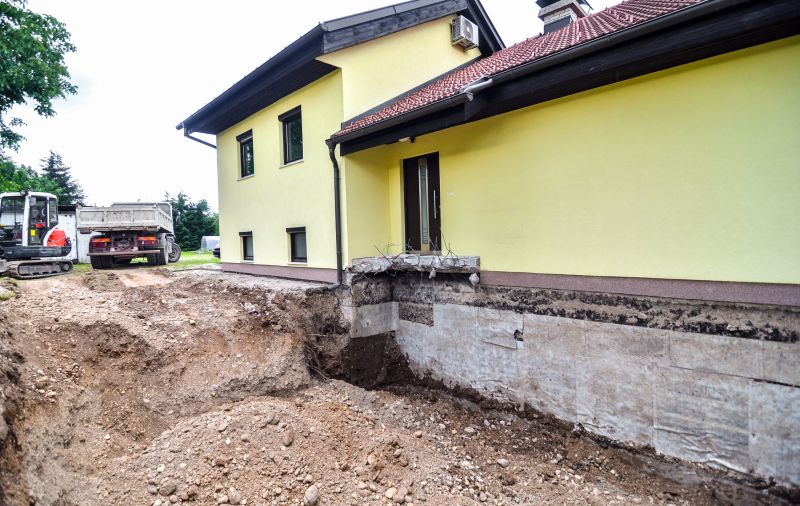
Preparing the site for foundation work.
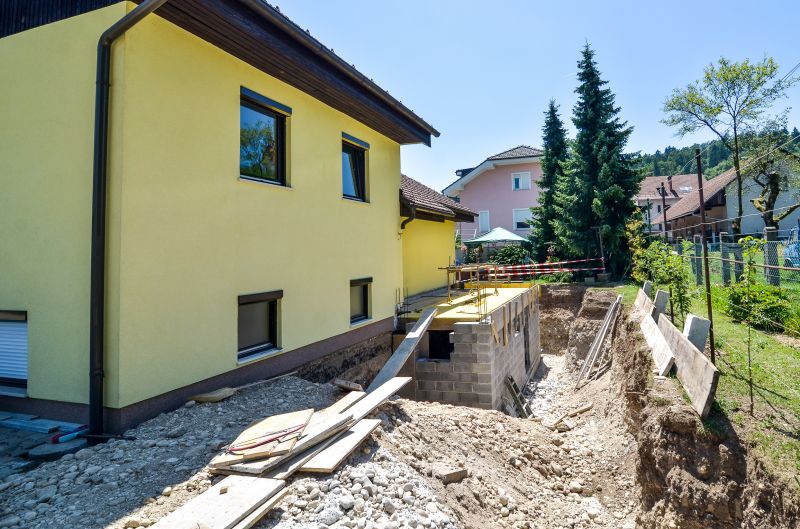
Completed stabilization work.
Interested property owners are encouraged to contact for more detailed information about scheduling foundation repairs. Proper timing can contribute to the durability of the repair work and help prevent future foundation issues.